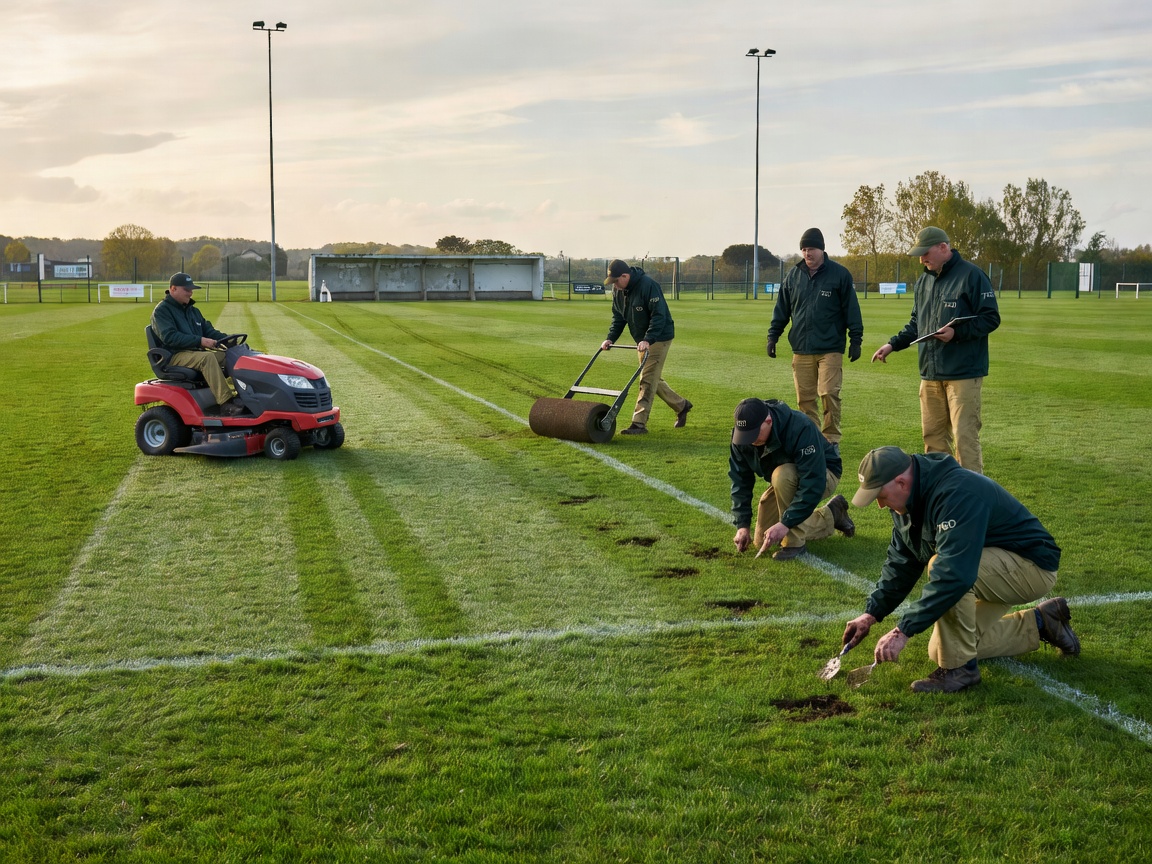
Choose for context, not fashion
Natural grass, artificial turf and hybrid systems each have distinct characteristics. Natural grass is a living surface that depends on suitable growing conditions and active grounds care. Artificial turf is a manufactured playing surface, with care and component needs determined by its system and use. Hybrid turf combines natural grass with reinforcing elements, but remains a living surface requiring appropriate specialist maintenance. No option is universally best.
Climate, hours of use, intended activities, available expertise and resources all influence the decision. A high-use shared site may have different priorities from a training ground with planned recovery periods. Before selecting a system, establish who will maintain it, what equipment is available, how the surface will be inspected and where specialist advice can be obtained.
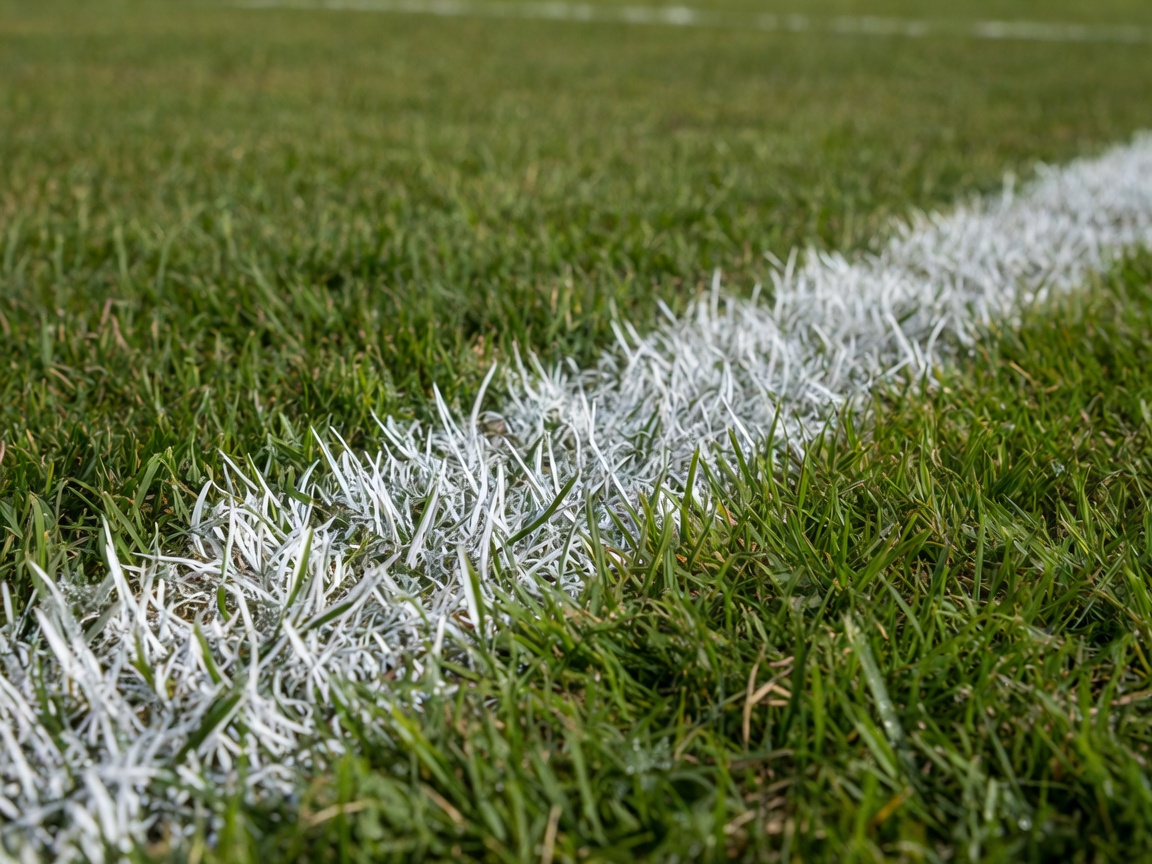
Surfaces at a glance
| Surface type | General considerations | Questions for planning |
|---|---|---|
| Natural grass | Living surface; responds to season and growing conditions | Growing environment, rest periods, drainage and grounds expertise |
| Artificial turf | Manufactured system with product-specific care | Usage, inspection, cleaning, component guidance and replacement planning |
| Hybrid turf | Natural grass supported by reinforcing components | Grass care, system guidance, specialist maintenance and recovery windows |
Drainage, irrigation and lighting
Water management affects pitch availability and the surrounding site. Drainage design, irrigation and local soil or weather conditions interact, so site-specific professional assessment matters. Keep access points and maintenance routes clear. A surface plan should also consider how water is monitored, how faults are recorded, and who decides whether an area needs recovery before further use.
Lighting may extend practical training hours, especially during short daylight periods, but design and operation are subject to local requirements and neighbouring context. A qualified assessment should consider the intended use, visibility and light spill. Groundskeeping schedules need access to machinery, fuel or charging arrangements as appropriate, secure equipment storage and trained operators.
Maintenance is a calendar, not a reaction
Routine inspection can identify wear patterns, damaged areas, drainage issues, debris or equipment faults before they become larger operational problems. The appropriate checks depend on the surface system, supplier guidance and site use. Record findings consistently and assign responsibility so that observations become scheduled action rather than informal notes.
Seasonal work should be planned around local conditions and the surface’s own requirements. Set aside maintenance windows and communicate them to coaches, teams and other users. Shared-use sites especially need a transparent booking process: if the pitch is continuously occupied, essential work can be delayed. Include staff availability, weather exposure and storage access when building the calendar.
Operations, resources and lifecycle
Facility management extends beyond turf. Consider inspection of goals and training equipment, lighting, walkways, changing areas, stores and any drainage or irrigation infrastructure. Keep accessible routes free of stored items and make safe circulation part of everyday checks. Waste, water and energy use are reasonable topics for operational review, but specific environmental benefits depend on the actual systems and should not be assumed without evidence.
Lifecycle planning means thinking beyond installation: care, repairs, component replacement, specialist support and eventual renewal all form part of the long view. Do not compare options using unsupported cost or durability claims. Ask suppliers and qualified grounds professionals for site-specific information, then review it against real staffing and maintenance capacity.
Maintenance-planning checklist
- Identify surface type, supplier guidance and intended intensity of use.
- Assign inspection, maintenance and defect-reporting responsibilities.
- Schedule rest and maintenance windows around actual bookings.
- Review drainage, irrigation, lighting, equipment and safe circulation.
- Maintain secure storage and suitable access for grounds staff.
- Keep records of work, observations and planned lifecycle decisions.
Advantages, limits and practical fit
Natural grass can provide a familiar outdoor playing environment, but growth and use require careful management. Artificial turf may serve particular schedules and applications, yet it still needs inspection and system-specific care. Hybrid systems combine natural growth with reinforcement, adding their own maintenance considerations. Weather, climate, intensity of use and grounds expertise determine the real-world fit.
Good for: clubs, schools, local authorities and facility operators comparing surface approaches or improving maintenance routines. What to know: do not choose on a single headline feature. Confirm local codes, system details, maintenance obligations and accessibility with appropriate professionals.