Three ways to bring training under cover
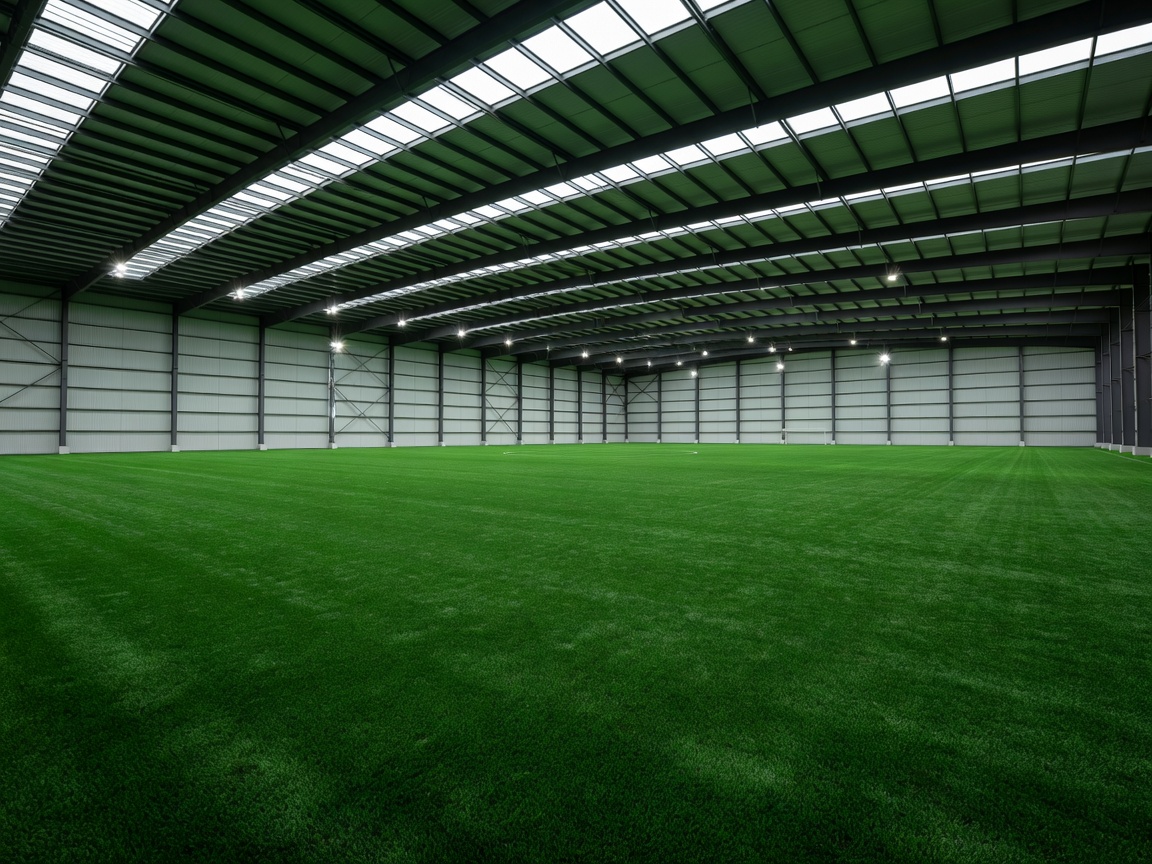
A full-size indoor hall offers a large enclosed training area and the greatest shelter from weather, but it also requires a substantial structure and an operating plan for lighting, ventilation, cleaning and upkeep. Smaller indoor halls can suit technical work, small-sided activity or selected drills, though their footprint and ceiling height limit some uses. A covered outdoor pitch shelters players from some weather while remaining more open to the surrounding environment. It does not provide the same enclosure or climate control as a hall.
Artificial turf is common in covered and indoor settings because it can be designed for repeated use, but surface choice must match intended activity and manufacturer guidance. Natural-turf indoor environments are possible in specific contexts, yet they need particular light, air, water and maintenance planning. Do not assume one surface or building type suits every programme.
Structure, clearance and light
Clear-span structures avoid internal columns across the main playing zone. That can support unobstructed practice, but the required spans, roof form and clear height are matters for architects and structural engineers working to local codes and intended use. Ceiling clearance should be considered alongside ball flight, lighting positions, safety margins and any maintenance equipment that must reach the roof.
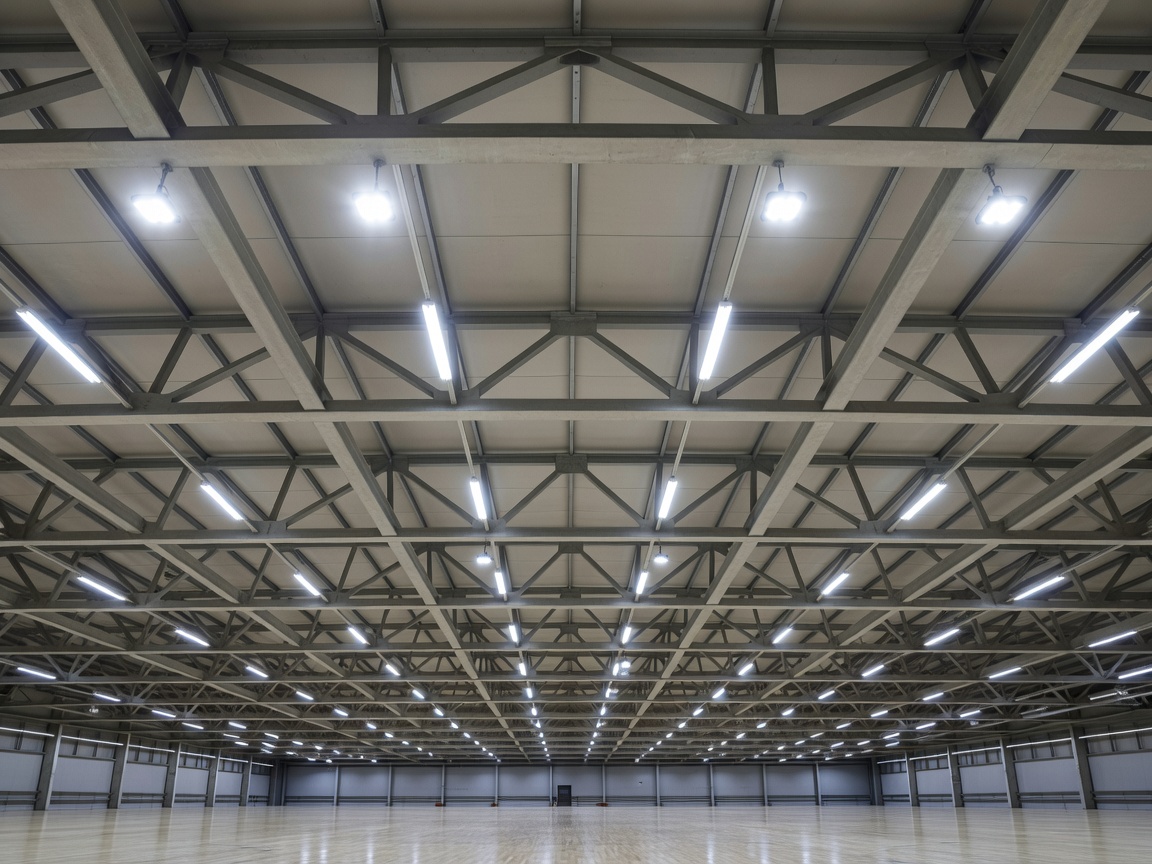
Lighting should provide even visibility across the usable surface and limit distracting glare. Natural light can be useful, but its distribution changes through the day and seasons. Ventilation and temperature management affect comfort and air quality; the appropriate systems depend on occupancy, building form and climate. These decisions require qualified design input rather than a generic specification.
Surface, sound and services
Different surfaces have different care needs. An indoor turf system still needs inspection, cleaning and maintenance consistent with its product guidance and use. Drainage matters where water enters from footwear, cleaning or adjacent outdoor areas; covered pitches need a plan for water management around their edges. Equipment storage should be accessible without narrowing circulation or creating trip hazards.
Acoustics are easy to overlook. Large hard-surfaced rooms can amplify sound, making coaching communication tiring or unclear. Appropriate acoustic treatment may improve the environment, but materials and placement must respect durability, safety and maintenance. Multi-use halls also need a sensible changeover plan if they host activities beyond football.
Comparison at a glance
| Format | Useful qualities | Planning considerations |
|---|---|---|
| Enclosed hall | Strong weather protection; controlled access | Structure, ventilation, lighting, operating demands |
| Smaller indoor space | Compact option for selected drills | Limited area and height; activity fit |
| Covered pitch | Shelter with a more open feel | Wind, rain exposure, drainage and perimeter design |
| Outdoor pitch | Open-air conditions and flexible scale | Weather, seasonal use and surface recovery |
Benefits and limitations
Cover can make scheduling more predictable when weather would otherwise disrupt work. An indoor surface can also provide a useful alternative for selected activities and keep some practice within a defined space. These advantages have limits: a hall cannot recreate every outdoor condition, and it may not accommodate the same group size or practice design as an outdoor pitch. Construction and operation bring additional demands, while ventilation, lighting and surface care remain ongoing responsibilities.
Accessibility deserves early attention. Consider entrances, changing routes, viewing and circulation, as well as how people using mobility aids can reach the playing environment. Service access, cleaning equipment and storage routes should be planned without obstructing everyday movement. Local building codes, intended use, climate and professional engineering assessments determine project requirements; this guide is not a substitute for them.
Useful design questions
- Which activities need shelter, and what clear height do they require?
- How will light, ventilation, temperature and acoustics be addressed?
- What surface suits the programme and available maintenance expertise?
- Where will equipment be stored, and how will the surface be cleaned?
- Can different users share the space safely and accessibly?
Good for: clubs, schools and community operators comparing covered and enclosed options. What to know: a weather-protected facility still has surface, building and staffing requirements. Seek advice from qualified designers and local authorities before committing to a project.