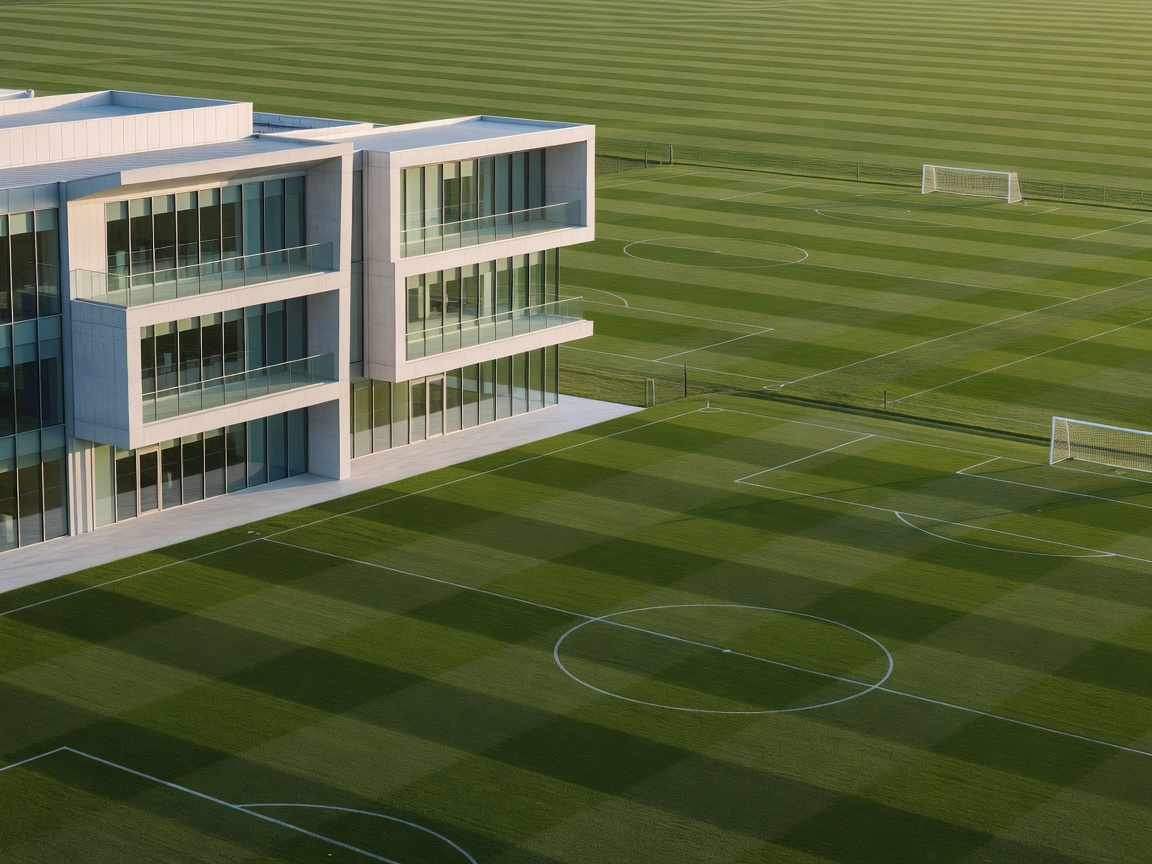
Development needs more than a pitch
Academy infrastructure is a learning environment as well as a sports setting. Youth pitches and age-appropriate training areas provide room for technical practice and team activity, but young people also need suitable changing, education, rest and meeting spaces. Facilities cannot guarantee player progress. They can, however, make everyday routines easier to organise when staff, spaces and schedules are coordinated.
Age groups may share a campus, but their needs are not identical. Younger participants may need simple wayfinding, close supervision and spaces that feel manageable. Older groups may have different study, preparation and travel patterns. Planners should consider who uses each area, when, and with which qualified staff present. A flexible arrangement can help, provided it does not create crowding or unclear responsibility.
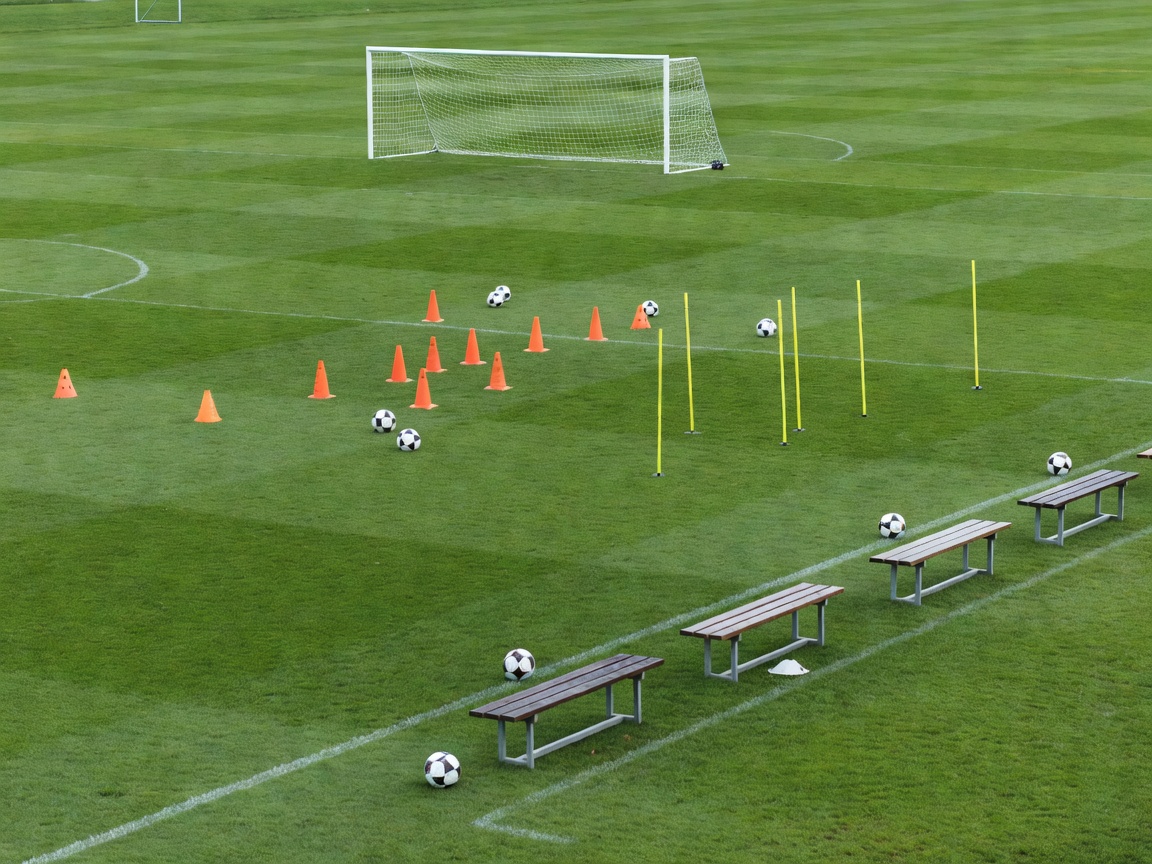
Football, indoor work and learning
Outdoor pitches need to suit the activities planned and the level of use they receive. Smaller practice zones can support focused sessions, while indoor areas may provide an alternative for selected technical work or poor weather. The right balance depends on climate, land, resources and the number of users. Indoor facilities should be judged for clear height, surface, air quality, lighting, accessibility and operating demands—not simply the presence of a roof.
Education spaces are part of the academy environment. Quiet study rooms, meeting areas and reliable access to learning resources can support daily organisation when integrated with the timetable. Video-analysis rooms may be used for coaching discussion, but should be comfortable, accessible and appropriate for the group. Avoid treating classroom provision as a decorative add-on: it requires suitable staffing, scheduling and upkeep.
Safe circulation and safeguarding
Safe movement deserves careful thought. Map routes between arrival points, changing rooms, pitches, indoor spaces and learning areas. Consider supervision, visibility, visitor access, privacy and how service vehicles or maintenance tasks interact with young people’s routes. Safeguarding is an operational responsibility shaped by policy, qualified staff and applicable law; architecture can support good practice, but cannot replace it.
Accessibility should be considered throughout the campus, including entrances, toilets, changing arrangements, viewing points and travel between spaces. Signage and straightforward circulation can help participants and families navigate a site. Staff areas should allow appropriate private conversations without isolating young people or creating unsupervised situations. Local safeguarding specialists and relevant authorities should be involved where appropriate.
Shared facilities, storage and coaching work
Some academies share pitches, changing rooms or indoor spaces with senior teams or community users. Shared provision can make better use of limited land, but needs transparent booking, cleaning and equipment-storage arrangements. Dedicated spaces offer greater control but require more land, staffing and ongoing maintenance. Either model benefits from clear ownership of room resets and a process for reporting defects.
Equipment stores should be secure, organised and conveniently located without blocking accessible routes. Coaching areas need practical sightlines, weather protection where useful and somewhere to prepare materials. Video and meeting spaces require suitable privacy and reliable access. Families may also need clear information about arrival, collection, travel and who to contact; those logistics are a genuine part of a youth facility’s daily operation.
Planning checklist
- Map age groups, timetables and simultaneous use of rooms and pitches.
- Provide appropriate learning, changing, storage and indoor alternatives.
- Review accessible routes, toilets, wayfinding and arrival arrangements.
- Agree safeguarding, visitor management and supervision processes.
- Plan maintenance, equipment checks and shared-space changeovers.
- Coordinate the campus with family travel and staff responsibilities.
Good for / What to know
Good for: clubs, schools and community organisations reviewing youth-development environments. What to know: expensive buildings do not automatically produce better players. Suitable provision depends on people, coaching, safeguarding, learning access and consistent operations as much as physical infrastructure.
European clubs including AFC Ajax, FC Barcelona, Bayern Munich and Manchester United have publicly associated youth-development programmes. Their existence is context, not evidence for a particular private layout, policy or success rate. We do not present private facilities as open to visitors or imply endorsement by any club.